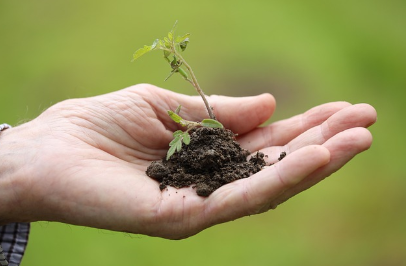
Plant retail operations provide access to living botanical specimens enhancing residential environments and garden landscapes through diverse selections addressing varied aesthetic preferences and cultivation requirements. Indoor houseplants introduce natural elements into interior spaces creating calming atmospheres, improving air quality, and adding visual interest through foliage patterns, flowering displays, or sculptural forms. Garden plants enable outdoor cultivation developing landscape beauty through seasonal color displays, textural variety, and structured plantings. Flowering species provide colorful blooms attracting pollinators and creating focal points within garden designs. Foliage plants offer year-round interest through leaf shapes, colors, and textures complementing flowering specimens. Ornamental varieties selected for decorative characteristics rather than food production emphasize visual beauty over utility. Seedlings represent young plants offering economical options for establishing large plantings or allowing customers to nurture specimens through developmental stages. Container plants simplify transplanting arriving in pots enabling immediate placement or easy repotting. Bare-root specimens sold without soil during dormancy suit certain species and planting seasons. Plant care guidance supports successful cultivation through appropriate watering, light exposure, fertilization, pruning, and pest management practices. Species selection addresses climate compatibility ensuring plants suit local growing conditions and hardiness zones. Size options range from small starter plants through mature specimens accommodating varied space constraints and immediate impact desires.
Choosing Perfect Specimens
Successful plant selection begins with thorough environment evaluation considering light availability, temperature ranges, humidity levels, and space constraints determining appropriate species choices. Light assessment examines natural illumination patterns identifying bright direct sun exposure, indirect bright light, moderate light conditions, or low light situations guiding species selection matching requirements. South-facing windows provide maximum light intensity supporting sun-loving species while north-facing exposures suit shade-tolerant varieties. Temperature consideration accounts for typical ranges ensuring selected plants tolerate conditions without stress from excessive heat or cold. Humidity evaluation determines moisture levels affecting tropical species preferring high humidity versus drought-adapted succulents tolerating dry air. Space analysis measures available dimensions preventing selection of plants outgrowing locations requiring frequent pruning or relocation. Maintenance capacity assessment honestly evaluates time and effort available for plant care matching high-maintenance species with dedicated gardeners while directing casual enthusiasts toward resilient varieties. Pet and child safety considerations identify potentially toxic species requiring placement beyond reach or substitution with non-toxic alternatives.
Comprehensive species investigation provides detailed information supporting informed selections through understanding growth characteristics, care requirements, and long-term expectations. Botanical information includes scientific names, plant families, and origin details revealing natural habitat conditions suggesting appropriate cultivation practices. Growth pattern research examines mature sizes, growth rates, and development habits preventing surprises from unexpectedly large or rapidly expanding specimens. Care requirement documentation details watering frequency, fertilization needs, pruning recommendations, and common issues preparing owners for maintenance demands. Hardiness information specifies temperature tolerances and zone compatibility ensuring outdoor plants survive local climate conditions. Toxicity research identifies plants hazardous to pets or children enabling informed placement decisions or species substitution. Propagation methods explain reproduction techniques allowing plant multiplication through cuttings, division, or seed collection. Companion planting guidance suggests compatible species combinations creating attractive groupings or beneficial relationships. Seasonal considerations address dormancy periods, flowering times, or deciduous characteristics affecting year-round appearance.
Quality assessment examines plant condition identifying healthy specimens through leaf appearance, stem structure, root health, and absence of pests or diseases. Foliage inspection checks leaf color consistency, absence of spots or discoloration, proper turgor indicating adequate hydration, and natural appearance without artificial shine suggesting recent chemical treatment. Stem examination evaluates structural integrity, absence of wounds or lesions, and appropriate branching patterns. Root assessment when possible reveals white healthy roots versus brown mushy specimens indicating rot. Pest detection searches for insects, webs, or damage evidence requiring quarantine or treatment before introduction to existing collections. Disease identification recognizes fungal infections, bacterial problems, or viral symptoms requiring rejection or isolation preventing spread.
Living Specimen Advantages

Indoor plants improve air quality through photosynthetic processes removing carbon dioxide, releasing oxygen, and filtering airborne pollutants creating healthier indoor environments. Photosynthesis converts atmospheric carbon dioxide into plant tissues while releasing oxygen replenishing air quality depleted by human respiration and combustion. Pollutant filtration removes volatile organic compounds emitted by furniture, carpets, cleaning products, or building materials through leaf absorption and root zone microbial breakdown. Formaldehyde removal addresses common indoor pollutant released by pressed wood products, upholstery, or permanent press fabrics. Benzene filtration captures solvent released by synthetic materials, tobacco smoke, or vehicle exhaust infiltrating buildings. Humidity regulation releases water vapor through transpiration increasing relative humidity in dry indoor environments particularly during heating seasons. Dust reduction through leaf surfaces capturing airborne particles settling from circulation.
Plant presence provides psychological benefits reducing stress, improving mood, and enhancing mental well-being through biophilic connections satisfying innate human affinity for nature. Stress reduction occurs through natural element exposure lowering cortisol levels, reducing blood pressure, and promoting relaxation responses. Mood improvement results from aesthetic beauty, nurturing activities, and accomplishment feelings from successful cultivation. Attention restoration through gentle engagement with natural elements provides mental breaks from demanding cognitive tasks. Productivity enhancement appears in plant-enriched workspaces demonstrating improved focus and task performance. Creativity stimulation occurs through natural inspiration and relaxed mental states. Recovery acceleration benefits hospitalized patients viewing plants or gardens showing faster healing and reduced pain medication needs.
Decorative plants enhance interior and exterior spaces through visual beauty adding color, texture, and living elements creating inviting environments. Color introduction through flowering plants or colorful foliage provides vibrant accents complementing or contrasting existing color schemes. Textural variety through varied leaf shapes and sizes adds visual interest preventing monotonous appearances. Vertical elements through tall plants draw eyes upward emphasizing ceiling heights and adding dimension. Focal points created by dramatic specimens anchor room designs or garden layouts. Softening effects through organic forms contrast hard architectural lines creating balanced comfortable spaces. Seasonal variety through rotating specimens maintains fresh appearances through changing displays.
Plant cultivation provides learning experiences teaching biological concepts, responsibility, and horticultural skills particularly valuable for children and students. Biological education demonstrates life cycles, growth processes, reproduction, and adaptation through direct observation. Responsibility development occurs through regular care requirements teaching commitment and consequence understanding. Scientific method application through experimentation with growing conditions, propagation techniques, or variety comparisons. Patience cultivation through long-term growth observation teaching delayed gratification and persistence. Environmental awareness develops through understanding ecosystem relationships, sustainability, and conservation.
Garden plants support local ecosystems providing habitats, food sources, and contributing to biodiversity conservation.
Landscaping and indoor plants enhance property appeal and value through improved aesthetics and buyer attraction.
Plant cultivation promotes environmental consciousness and sustainable lifestyle choices through nature connection.
Available Varieties
Indoor plant selection includes foliage varieties, flowering specimens, and specialty plants enhancing interior environments through diverse characteristics. Foliage plants including pothos, philodendrons, snake plants, and peace lilies provide year-round greenery tolerating varied light conditions with minimal maintenance. Flowering houseplants like orchids, African violets, and begonias add colorful blooms requiring specific care but rewarding with beautiful displays. Succulents and cacti suit dry conditions and infrequent watering appealing to busy owners or forgetful waterers. Ferns deliver lush texture for humid environments like bathrooms. Palms create tropical ambiance through architectural forms. Air plants eliminate soil requirements mounting on decorative displays. Trailing plants including string-of-pearls or pothos cascade from hanging baskets or high shelves. Large floor plants like fiddle-leaf figs or rubber trees make dramatic statements in spacious rooms.
Outdoor plant offerings support garden development and landscape beautification through annuals, perennials, shrubs, and trees. Annual bedding plants provide seasonal color requiring yearly replanting but delivering intensive blooms. Perennials return annually after dormancy establishing permanent garden features with less maintenance. Flowering perennials including daylilies, coneflowers, and hostas combine beauty with reliability. Shrubs provide structure, screening, and seasonal interest through flowers or foliage. Trees offer shade, privacy, and long-term landscape value requiring careful placement considering mature sizes. Native species support local ecosystems with lower maintenance requirements. Ground covers spread horizontally filling areas and suppressing weeds. Climbing plants scale vertical structures adding height without large footprints.
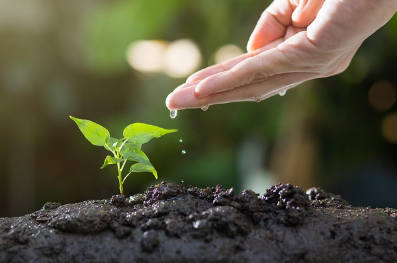
Young plants and cultivation supplies support successful gardening through starter plants, containers, soils, and maintenance products. Vegetable seedlings enable home food production through tomatoes, peppers, lettuce, and herbs started from seed in controlled environments ensuring healthy starts. Flower seedlings provide economical options for large plantings allowing gardeners to establish extensive displays affordably. Herb starts including basil, parsley, and mint enable fresh culinary herb access. Container selections range from basic plastic pots through decorative ceramics accommodating varied aesthetic preferences and budgets. Potting soils formulated for specific plant types provide appropriate drainage and nutrient levels. Fertilizers supply essential nutrients supporting healthy growth through organic or synthetic formulations. Pest control products address common insect or disease problems through various treatment approaches. Garden tools including trowels, pruners, and watering equipment facilitate maintenance tasks.
Curated gift selections include attractive plants with decorative containers creating thoughtful presents for occasions.
Expert guidance supports successful cultivation through watering schedules, light requirements, and troubleshooting assistance.
Rotating selections feature appropriate plants for current seasons and upcoming planting opportunities.
Contact Plant Store
Address
Piac utca 45
4025 Debrecen
Hungary
Open Hours
Monday - Friday: 9:00 - 18:00
Saturday - Sunday: 10:00 - 16:00